

Mesothelioma
Mesothelioma is a form of cancer that grows in the protective linings around organs like the abdomen and chest. It is most often caused by asbestos exposure, particularly for those who work in industrial or construction jobs.
Early diagnosis and treatment is key to a favorable prognosis. Patients suffering from mesothelioma can have better outcomes if they are diagnosed before the disease has spread.
Causes
Mesothelioma is a cancer that forms in the tissue which lines the abdomen and chest. Malignant mesothelioma is most often found in the tissues of the lungs stomach, intestines and lungs. It can also affect other tissues such as the tissue around the heart (pericardial mesothelioma), and the testicles.
Mesothelioma can be triggered by asbestos exposure. Asbestos is made up of a group minerals that contain microscopic fibers. Asbestos was previously used extensively in a variety of industries, such as shipbuilding, insulation, and construction. Asbestos-related exposure can cause people to develop symptoms of mesothelioma up to 40 years after their first exposure to the substance.
The most frequently reported symptom of mesothelioma is difficulty breathing. This is caused by a buildup in the lung space and the chest wall. Doctors can diagnose mesothelioma by examining a patient's medical history and conducting diagnostic tests. They will review the patient's X-rays, computed-tomography (CT) and magnetic resonance imaging scans (MRI) to determine whether there is any evidence of asbestos exposure.
A biopsy is the most common procedure to diagnose mesothelioma pleural. In the course of the test, doctors will take a small portion of tissue from the affected area and examine it under the microscope. A biopsy can be carried out using two methods: VATS, a type keyhole surgery. Or, a needle is inserted through the CT scan.
Mesothelioma can be difficult to identify because the symptoms and signs are similar to other diseases. It's important to consult an expert immediately you begin to notice any signs.
When mesothelioma is diagnosed, it is usually in an advanced stage. Treatment options are limited. The majority of patients with mesothelioma of the lung die from complications of the disease, including pneumonia and respiratory failure. Patients who have mesothelioma in different organs, like pericardial mesothelioma or tunica vaginalis may suffer from complications that affect the heart or bowel.
Signs and symptoms
Many of the signs and symptoms of mesothelioma are comparable to those of other conditions or illnesses which is why it can be difficult for doctors to determine an accurate diagnosis. Patients might be asked about their exposure to asbestos. They might also order an X-ray of the chest or CT scan to check for issues with the lungs or chest. A biopsy is typically the next step, in which doctors remove a small sample of mesothelioma to test. A biopsy can be used to determine whether the cancer cells are malignant.
Pleural mesothelioma occurs in the lining of the lungs, and symptoms often include breathing shortness and pain that gets worse over time. Lung fluid accumulation (pleural effusion) can cause these symptoms too. Other signs of pleural cancer include coughing up blood abdominal pain and abdominal swelling weight loss, fatigue and difficulty breathing. Peritoneal mesothelioma is not as common, and it typically causes symptoms such as abdominal pain, vomiting as well as fatigue and fever. Even less common is mesothelioma in the tunica vaginalis, that can cause testicular pain or a lump in the scrotum, as well as loss of appetite.
If mesothelioma spreads to other organs doctors will apply a combination of tests and treatments to treat it. It is possible to use chemotherapy, radiation therapy and immunotherapy to end or slow mesothelioma's growth. These treatments can be performed in a hospital at home, in a clinic, or through the clinic.
A biopsy can also assist doctors to determine the mesothelioma type a patient has. There are three main mesothelioma cell types epithelioid (most common), Sarcomatoid (second most common) and biphasic. The most commonly used mesothelioma type is epithelioid. They are slower to grow than other cancerous cells, and can be treated more easily. Sarcomatoid mesothelioma is more difficult treat and can quickly spread.
A patient with mesothelioma needs to seek immediate treatment when they experience any symptoms. It is crucial to not put off a diagnosis because misdiagnosis can stop them from receiving correct treatment and give cancer time to spread. Patients who have mesothelioma treated aggressive treatment have a better likelihood of living longer.
Diagnosis
It is often difficult to recognize mesothelioma due to the fact that it is a rare type of cancer. It can take a doctor months or even weeks to identify a patient with an illness that requires treatment. In addition to a physical examination doctor will ask questions about asbestos exposure and how symptoms developed. The doctor may also request an imaging scan. These tests can help identify areas of the chest cavity that may be problematic.
A biopsy is the primary test for diagnosing mesothelioma. It involves taking an insignificant portion of the tumor and then examining it using an magnifying glass. hammond mesothelioma law firm who examines the tissue will be able to tell whether it's mesothelioma or what kind of mesothelioma it is.
There are three types: sarcomatoid, mixed (biphasic) or epithelioid. The type of cells can impact the ease with which the tumor can be treated. About 70 percent of mesothelioma patients have epithelioid cancer cells. Sarcomatoid cancer cells are similar to the ones found in fibrous tissue. They are present in 30 percent of mesothelioma cases. The most deadly form of mesothelioma, mixed mesothelioma, is when it is composed of epithelioid aswell as sarcomatoid cancer cells.
A blood test can be used to determine whether levels of fibulin-3, osteopontin and soluble mesothelin-related proteins are elevated in the body. These substances are generally higher in mesothelioma sufferers than other people. The results of these tests aren't conclusive in either proving or disproving a diagnosis.
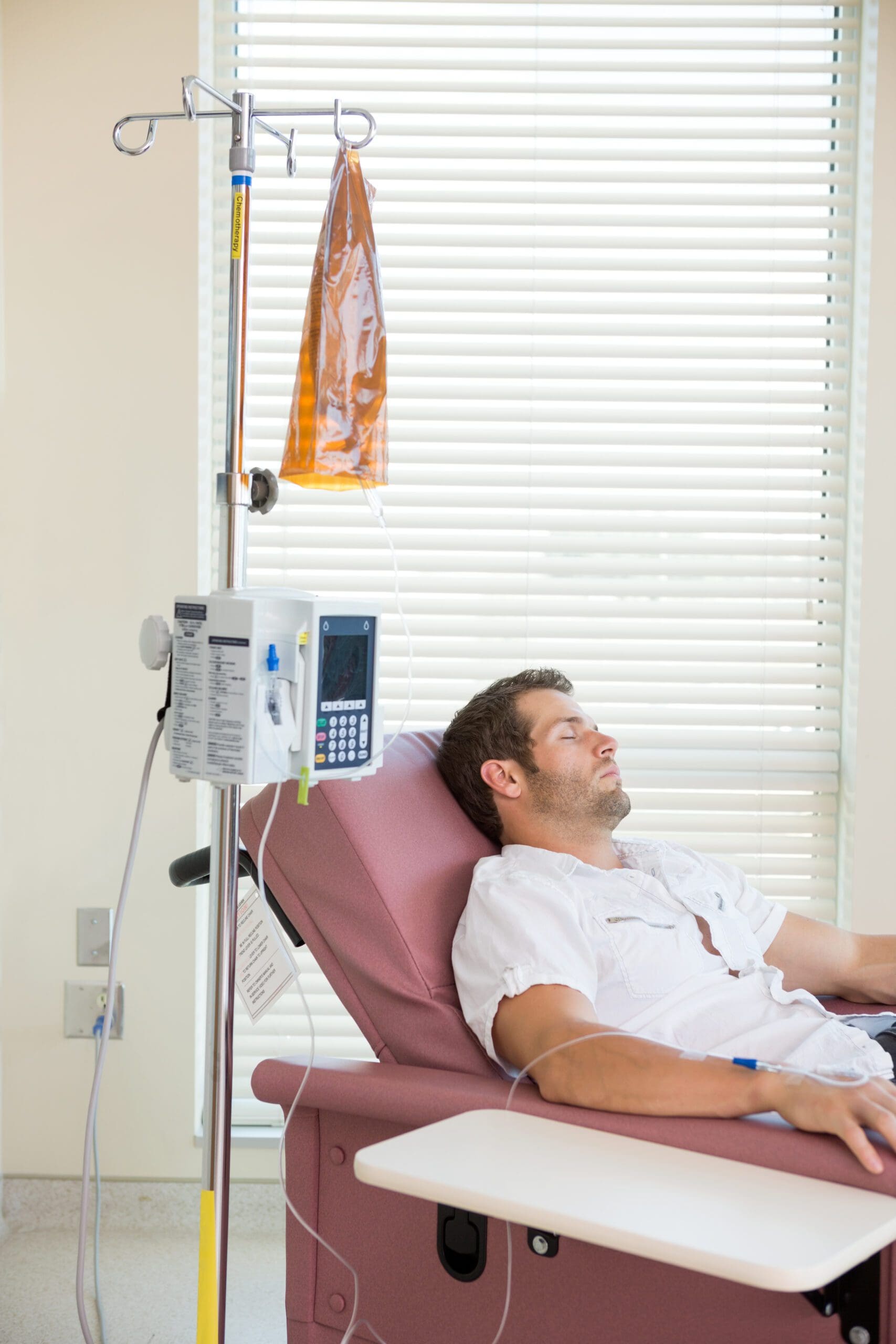
The doctor can also order other tests if a mesothelioma is diagnosed to determine how much the cancer's spreads and how it affects the patient's health. A lung function test, for example will show how well the lungs work and help the doctor decide if surgery is a viable option.
Other tests include an CT scan or an MRI. A PET-CT scan is an amalgamation of a CT scan and a positron emission tomography scanner, which helps doctors determine whether cancer has spread. A doctor can also request an ultrasound to determine the extent of fluid accumulation around the heart.
Treatment
Patients with mesothelioma should find the right treatment for their condition. Treatment options include chemotherapy, radiation, and immunotherapy. To receive the highest quality treatment, patients must collaborate in a team at an experienced mesothelioma center in their area.
Doctors can detect Mesothelioma with physical examinations, laboratory tests, and imaging scans. Patients may be referred to more thorough tests or treatment options such as biopsy. A biopsy is the removal of a tiny piece of tissue to be examined under a microscope. Mesothelioma, a cancer, develops in the mesothelium, which is a protective layer of cells that cover organs in the abdomen and chest. It can expand into the bloodstream and spread to other parts of the body, and there it could cause life-threatening complications.
In addition to a biopsy, physicians may conduct a CT scan or an MRI of the chest or abdomen. These imaging tests can be used to determine the presence of mesothelioma or other conditions. They can also show how the tumor is affecting surrounding organs, like how mesothelioma within the lungs can affect the intestines and heart.
The blood tests can detect mesothelioma based on the presence of a chemical that is present in blood. However, these tests are not always accurate and can't replace a mesothelioma biopsy. Mesothelioma can be detected in the early stages, which is important to improve survival rates.
There are three kinds of mesothelioma that are based on the type of cells that create. Epithelioid mesothelioma is the most prevalent and is responsive to treatment. Biphasic and mesothelioma with sarcomatoid less responsive to treatments and have a less favorable prognosis.
Malignant pleural mysothelioma can be found in the lining of the lungs called the pleura. Pleural mesothelioma can easily be treated by a doctor with chemotherapy or surgery. This kind of mesothelioma may be treated with two surgeries: extrapleural lung pneumonectomy (EPP) and pleurectomy/pericardiectomy (P/D).
Doctors can also use hyperthermic intraoperative chemotherapy, or HIOC to decrease the possibility that cancer will recur following surgery. In HIOC doctors inject chemotherapy drugs that fight cancer directly into the surgical site. They then rock the patient around to bathe the area in hot chemotherapy fluids.